What Independence Really Means in 2026: Celebrating National Senior Independence Month

What Independence Really Means in 2026: Celebrating National Senior Independence Month
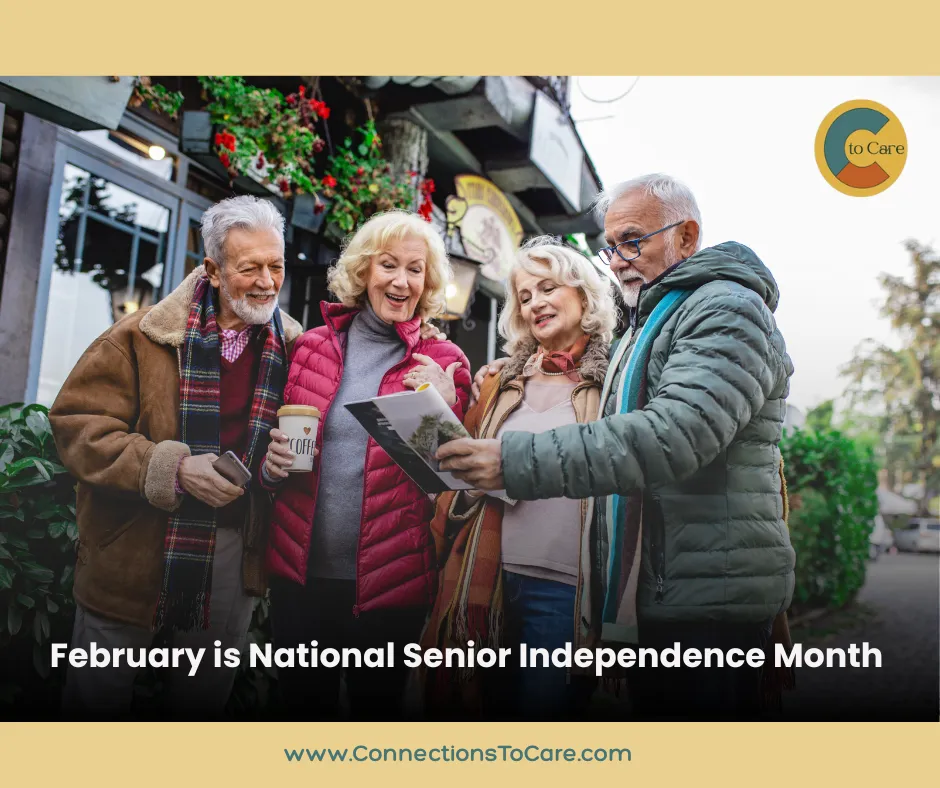
February is National Senior Independence Month, and this year, the conversation around independence has never been more important—or more nuanced.
Here in the Upstate, we're seeing a remarkable shift in how older adults and their families are defining what it means to live independently. It's no longer just about doing everything alone. Independence in 2026 means having the dignity to make your own choices, the freedom to pursue what brings you joy, and the wisdom to accept support when you need it.
The Numbers Tell a Powerful Story
As the oldest Baby Boomers begin turning 80 this year—at a rate of 10,000 per day for the next two decades—we're witnessing what experts call a historic demographic milestone. According to research from Johns Hopkins, only about 25% of this population is considered "robust and active," while the rest are navigating varying degrees of health challenges. Yet remarkably, 77% of adults over 50 still express a strong desire to age in place, remaining in their own homes and communities for as long as possible.
What's changed isn't the desire for independence—it's our understanding of what makes it possible.
Independence Isn't One-Size-Fits-All
When Atul Gawande wrote Being Mortal, he fundamentally challenged how we think about aging. His central argument—that autonomy and purpose matter more than safety at all costs—resonates deeply with today's seniors. Independence doesn't mean refusing help. It means having the power to define your own life on your own terms.
For Mrs. Thompson, a 78-year-old retired teacher in Greenville, independence means staying in the home where she raised her children, even though she now needs help with yard work and transportation to medical appointments. For Mr. Chen, an 82-year-old widower in Simpsonville, it means moving to a senior community where he can focus less on home maintenance and more on his passion for woodworking and weekly poker games with friends.
Both are exercising their independence. Both are making choices that honor their values and priorities.
Technology: The Great Equalizer or the Great Divider?
One of the most striking trends in 2026 is the role technology plays in supporting—or sometimes hindering—senior independence. Smart home devices, telehealth platforms, online banking, grocery delivery apps, and video calling have the potential to extend independence significantly.
But here's the catch: these tools only work when seniors feel confident using them.
A recent study found that 40% of older adults aren't aware of community resources available to help them age in place. Similarly, many struggle not because technology doesn't exist, but because it wasn't designed with their needs in mind. Tiny icons, confusing menus, constant updates, and forgotten passwords can transform what should be an empowering tool into a source of frustration and dependency.
Independence in the digital age requires more than devices—it requires patient, hands-on guidance and technology that actually works for older adults, not against them.
The AI Revolution in Senior Care
Artificial intelligence is beginning to reshape what's possible for aging in place. Voice assistants can now control entire home environments with simple commands. Wearable devices monitor health metrics and detect falls. AI-powered speech analysis can predict Alzheimer's progression with 78% accuracy, years before symptoms appear. Automated medication dispensers and robotic companions like ElliQ provide both practical assistance and social interaction.
These innovations aren't replacing human connection—they're making it possible for seniors to maintain independence while staying safe and connected to their communities.
What Independence Looks Like in Practice
The beauty of modern senior independence is its flexibility. Hybrid care models are blurring the traditional boundaries between independent and assisted living. Today's senior communities offer what's called "continuum of care"—you can maintain your independence while easily accessing support services as your needs change.
This means:
Living in your own apartment but having meal services available when cooking becomes burdensome
Managing your own schedule but having transportation assistance to medical appointments
Maintaining your privacy while having 24/7 emergency response if needed
Keeping your autonomy while receiving help with tasks that have become difficult
Physical therapists now visit homes equipped with portable technology. Nutritionists create personalized meal plans that address chronic conditions while respecting food preferences. Mental health support includes guided meditation and cognitive exercises to combat isolation and depression. Multidisciplinary care teams coordinate seamlessly, allowing seniors to receive comprehensive support while aging in place.
The Role of Community and Connection
Louise Aronson, author of Elderhood, reminds us that we've wrongly medicalized aging, treating it as a condition to fix rather than a distinct, valuable life stage. One of the most important aspects of independence is remaining engaged with community.
Here in Greenville County, we're fortunate to have remarkable resources supporting senior independence:
Senior Action operates six centers throughout Greenville County, offering everything from fitness classes and fine arts programs to transportation assistance and yard care. With over 55 years of service to our community, they've built more than facilities—they've built community. Their philosophy recognizes that social connection is the single most important indicator of a long, happy life.
Meals on Wheels of Greenville provides not just nutritious home-delivered meals, but crucial daily check-ins and human connection for homebound seniors. This combination of sustenance and companionship exemplifies how supporting independence means addressing both practical and emotional needs.
The Appalachian Council of Governments coordinates senior services across our region, including nutrition programs, home care assistance, and medical transportation. Through GetCareSC.com, families can easily find local resources by ZIP code—a vital tool for the 40% of seniors who don't realize what support is available.
Prisma Health SeniorCare PACE offers an all-inclusive care model that allows frail seniors to receive comprehensive health services while remaining in their communities. This interdisciplinary approach focuses on preventive care and maintaining functional abilities—exactly what independence requires.
When Independence Means Accepting Help
Perhaps the hardest aspect of independence is recognizing when you need support—and having the courage to ask for it.
Teepa Snow, the leading authority on dementia care, teaches what she calls the Positive Approach to Care. Her techniques recognize that maintaining dignity and autonomy for people with cognitive changes requires creative problem-solving, not just more restrictions. This philosophy extends beyond dementia care to all aspects of aging.
Signs that it might be time to explore additional support include:
Difficulty managing medications safely
Challenges with personal care or household tasks
Increasing social isolation
Unsafe driving or mobility concerns
Forgetting to eat or not preparing nutritious meals
Financial management becoming overwhelming
Feeling anxious or depressed about living alone
Recognizing these signs isn't admitting defeat—it's exercising your independence by making informed choices about your care.
The Financial Reality of Independence
One trend gaining momentum in 2026 is transparency around the costs of aging in place versus senior living communities. Families are discovering that the true cost of independence includes not just housing, but home modifications, in-home care services, transportation, meal preparation, and emergency response systems.
Long-term care insurance, reverse mortgages, and specialized eldercare financial planning are helping families navigate these costs more effectively. Organizations like Senior Action offer many services at no cost to qualifying Greenville County residents over 60, significantly reducing financial barriers to independence.
Planning for Tomorrow, Starting Today
The best time to think about how you want to age is before you need significant care. As the National Institute on Aging emphasizes, planning ahead allows you to make important decisions while you're still able, rather than during a crisis.
This includes:
Legal preparation: Ensuring you have power of attorney, advance directives, and healthcare proxies in place
Home safety assessment: Identifying and addressing fall risks, lighting issues, and accessibility concerns before they cause problems
Building your support network: Cultivating relationships with family, friends, and neighbors who can provide assistance
Exploring resources: Learning what community services are available in your area
Having honest conversations: Discussing your values, preferences, and fears with family members
Consulting with an Aging Life Care Manager (formerly called geriatric care managers) can provide invaluable guidance through this planning process. These professionals bring expertise in navigating the complex landscape of senior services, healthcare options, and family dynamics.
What We Can All Do This Month
National Senior Independence Month isn't just for seniors—it's for all of us who care about creating communities that support aging with dignity.
If you're a senior or caring for aging parents:
Assess what's working and what isn't in your current living situation
Research available resources before you need them urgently
Have honest conversations about values and preferences
Consider a home safety check to identify potential modifications
Explore technology tools that could enhance independence
Connect with local senior centers to build community
If you're a family member:
Listen more than you solve—independence means respecting choices
Educate yourself on available resources and support services
Attend community programs to better understand aging challenges
Start planning conversations early, before crisis demands them
Remember that your parent's definition of independence may differ from yours
If you're a community member:
Volunteer at senior centers or organizations like Meals on Wheels
Check on elderly neighbors regularly
Advocate for senior-friendly policies with local officials
Support organizations that help seniors live independently
Challenge ageist attitudes and celebrate the wisdom and contributions of older adults
The Future of Independence
As we move through 2026 and beyond, the landscape of senior independence will continue evolving. Modular apartments that adapt to changing mobility needs. Virtual communities connecting isolated seniors. Intergenerational housing models that combat loneliness while fostering mutual support. Robotics providing practical assistance. Gene therapies extending not just lifespan but healthspan—how long we actually stay healthy and vital.
What won't change is the fundamental human need for dignity, autonomy, and purpose at every stage of life.
Our Commitment to You
At Connections to Care, our mission is simple: helping older adults maintain dignity, choice, and quality of life while giving families peace of mind. We believe that honoring independence means meeting seniors where they are and planning for where they want to be.
Whether that's aging in place with support services, transitioning to a senior community that provides the perfect balance of independence and assistance, or navigating the complex decisions that come with changing needs—we're here to help.
This National Senior Independence Month, we celebrate every senior who is living life on their own terms. We honor every family navigating these decisions with love and respect. And we recommit ourselves to building a community where aging is not something to fear, but a journey to embrace.
Because true independence isn't about doing everything alone. It's about having the freedom to choose, the support to thrive, and the dignity to live fully at every age.
Need help navigating senior care options in the Greenville area? Connections to Care provides expert guidance tailored to your family's unique situation. Contact us at (864) 549-0023 or [email protected] to learn more.
