Intergenerational Home Living: Pros, Cons, and Practicalities
Intergenerational Home Living: Pros, Cons, and Practicalities

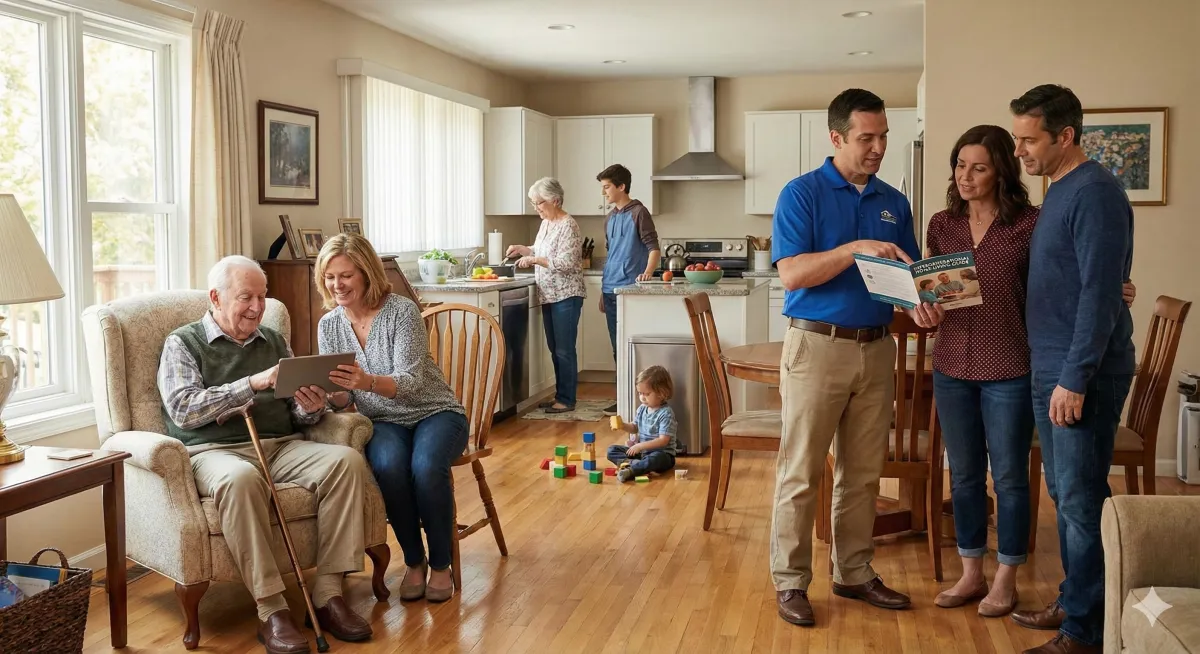
The image of the nuclear family living isolated in its own home is quickly fading in America. More and more families in the Upstate are rediscovering what earlier generations knew by necessity: there's real value in sharing a roof with multiple generations. Whether it's aging parents moving in with adult children, grandparents helping raise grandkids, or everyone pitching in under one roof, intergenerational living is no longer unusual—it's practical, increasingly common, and deeply human.
But like any major life decision, it comes with both genuine advantages and real challenges. Let's walk through what families in our community need to know.
The Growing Trend
The numbers tell a striking story. According to the U.S. Census Bureau, nearly 20 million Americans now live in multigenerational households—a proportion that has doubled since 1980. For families in the Upstate dealing with rising housing costs, aging parents who want to stay close to family, and the desire for shared childcare and financial resources, this trend makes sense.
As Atul Gawande writes in Being Mortal, one of the most important philosophical shifts in modern elder care is recognizing that quality of life, autonomy, and purpose often matter more than safety or extended independence. For many families, intergenerational living becomes a way to honor those values while keeping loved ones connected.
The Real Advantages
Financial Relief
Let's be honest: housing is expensive. When adult children can help support aging parents, or when grandparents contribute to childcare instead of expensive daycare, the financial mathematics become compelling. Sharing utilities, groceries, and maintenance costs reduces the burden on everyone. For families on a fixed income or navigating elder care expenses, this shared model can be transformative.
Authentic Caregiving
When an aging parent lives with you, you're not arranging care from a distance. You're present for the daily rhythms—noticing changes in health, managing medications, and ensuring they're eating well. This isn't just safer; it's more human. Family caregivers often report feeling more satisfied knowing they're directly involved in their parents' well-being rather than coordinating with paid help exclusively.
However, it's worth noting that expertise matters. If your parent has dementia or complex medical needs, this advantage is best paired with professional guidance. Organizations like the Family Caregiver Alliance provide excellent resources for families navigating this responsibility.
Stronger Family Bonds
Grandparents actively involved in raising grandchildren pass down stories, values, and skills. Children develop deeper relationships with extended family. There's less isolation for older adults, who remain engaged and purposeful. Studies consistently show that intergenerational households have lower rates of loneliness and depression among seniors.
Shared Parenting and Childcare
Multiple sets of eyes and hands make raising kids genuinely easier. Grandparents can pick up from school, help with homework, or provide backup when a child is sick. This natural support network was standard in earlier eras and is proving invaluable today.
The Real Challenges
Space and Privacy
Living together means someone's always home. Bathrooms are shared. Privacy becomes negotiated real estate. For families accustomed to their own space, this adjustment can strain relationships quickly. Arguments about noise, cleanliness standards, or how to arrange the kitchen aren't small—they're daily friction points.
Caregiving Burden
If you're the adult child in the middle—working, parenting, and now also responsible for aging parents—burnout is real. The Family Caregiver Alliance reports that family caregivers often experience depression, anxiety, and physical health decline. The promise of shared responsibility can mask the reality that one person often carries most of the load.
Conflicting Values and Parenting
Generational differences aren't quaint—they're real. How do you handle screen time when Grandpa thinks kids should play outside all day? What happens when Grandma's approach to discipline clashes with your own? These aren't minor disagreements; they're foundational questions about how to live together peacefully.
Healthcare and Mobility Issues
As parents age, their care needs evolve. A home that worked fine for an independent 65-year-old may not work for a 78-year-old with mobility challenges. Stairs become obstacles. Bathrooms need modifications. If your parent needs specialized dementia care, your home—and your skill level—may simply not be adequate.
Relationship Strain
Adult children report that living with parents again can feel regressive. Spouses may feel their partnership is compromised. Parents may struggle with the shift from authority figure to dependent. Resentment can build quietly and then explode.
Making It Work: Practical Steps
If intergenerational living makes sense for your family, here's what matters:
Start with honest conversations. Discuss finances, caregiving expectations, household rules, and boundaries before anyone moves in. Put it in writing. It sounds unromantic, but it prevents misunderstandings.
Plan for physical accessibility. Before a parent moves in, assess whether your home actually works for their current and anticipated needs. Can they access the bathroom safely? Are stairs manageable? These aren't cosmetic questions.
Get professional support. If your parent has a chronic condition or cognitive decline, don't rely only on family goodwill. Work with a professional geriatric care manager or aging life care specialist. In the Greenville area, Connections to Care offers expert guidance on navigating these transitions. A professional can help establish realistic care plans and identify when additional support is needed.
Create designated spaces. Even in a shared home, everyone needs privacy. Consider separate bathrooms if possible, defined quiet hours, and space that feels like "theirs."
Maintain individual relationships. Schedule one-on-one time with your spouse, children, and parent. Don't let "family time" be the only time you interact.
Plan for transitions. Intergenerational living may be temporary. A parent may need more care than you can provide. One adult child may move away. Build flexibility into your arrangement and be willing to reassess.
When Professional Help Becomes Necessary
Here's the truth that geriatrician Louise Aronson emphasizes in Elderhood: aging isn't a medical condition to be "fixed," but it is a distinct life stage that sometimes requires professional expertise. If your parent develops dementia, has mobility challenges, requires medication management, or needs specialized care like wound care or occupational therapy, your home and your skills may not be enough.
This isn't failure. It's wisdom. Reaching out to a professional care manager, a home health agency, or exploring other living arrangements isn't giving up on family care—it's ensuring your parent gets what they actually need.
The Bottom Line
Intergenerational living can be beautiful, practical, and deeply rewarding. It can also be challenging in ways families don't anticipate. The success of these arrangements depends on honest communication, realistic expectations, accessible space, and willingness to bring in professional help when needed.
For families in the Upstate considering this path, start with clarity about your goals and limitations. Talk to others who've done it. Reach out to professionals who understand the complexities. And remember: the goal isn't to do everything yourself—it's to create a living arrangement that honors both the autonomy and the interdependence that make families work.
Wondering if intergenerational living is right for your family? You don't have to figure it out alone.
The team at Connections to Care specializes in helping Upstate families navigate aging parent transitions. Whether you're considering moving a parent home, managing care needs, or exploring other options, a professional care manager can help you make the right choice for your situation.
Schedule Your Free Consultation Today | (864) 549-0023
